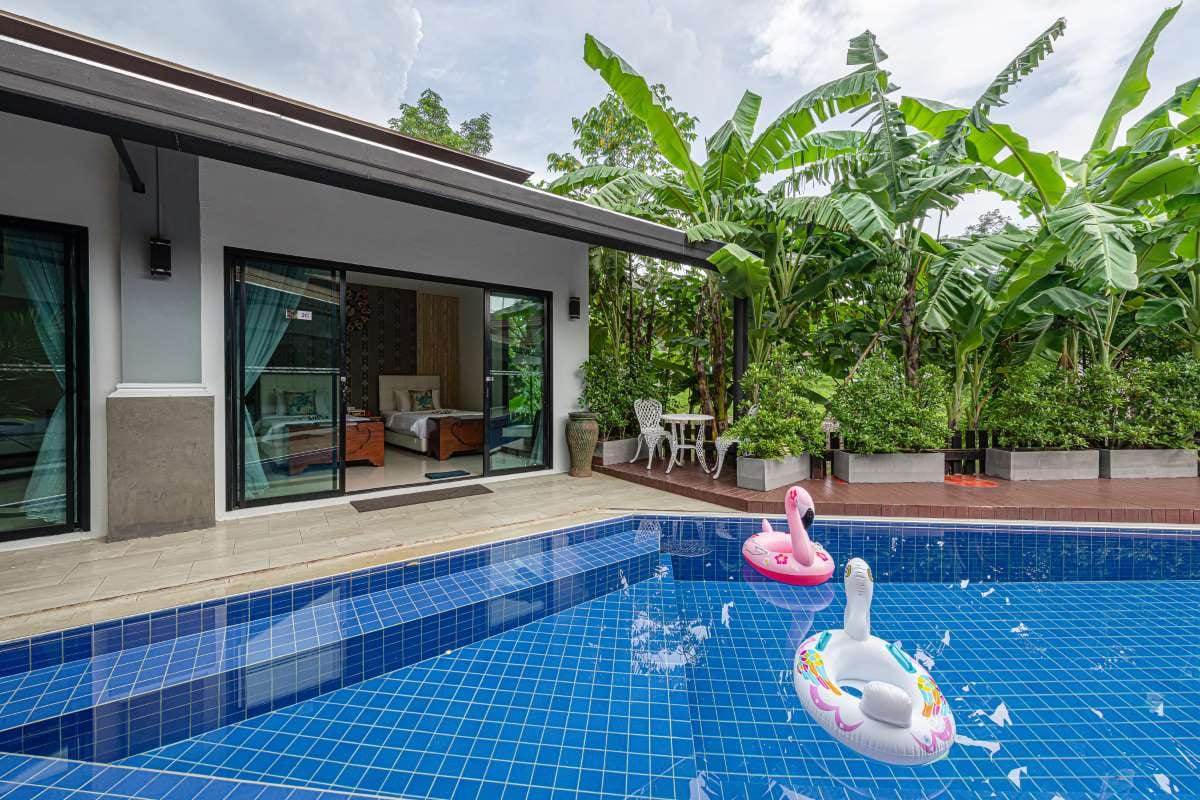
📌 Key Takeaway: Fresno County's hot Central Valley summers, agricultural prosperity, and large suburban backyards have produced one of California's most service-dependent residential pool markets — and a steady opportunity for route operators willing to learn the territory.
Fresno County sits in the agricultural heart of California's Central Valley, and the pool market here behaves differently than the coastal California markets most operators picture when they think of the state. The summers run longer and hotter than San Diego or the Bay Area, the lots are larger than what you find in dense Southern California suburbs, and the household economy is tied to farming, logistics, and food processing rather than tech or tourism. That combination shapes what homeowners expect from a pool service technician, how routes get priced, and where the durable money sits.
Since 2004, we have helped operators buy and build routes across California, and Fresno County keeps coming up in those conversations for the same reasons: weather that drives year-round chemistry work, a homeowner base that treats pool service as a non-negotiable expense rather than a luxury, and competitive dynamics that still reward a well-run independent. Below is what we have learned about the territory and why it deserves a closer look from anyone evaluating a California pool route purchase.
The Climate Does Most of the Selling
Anyone who has spent a July afternoon in Fresno understands the first half of the business case. Central Valley summers are long, hot, and dry, with a stretch of triple-digit days that reliably runs from June into September and often spills into early October. Pools in this climate are not ornamental — they are how households cope with the season. That usage pattern translates directly into service demand.
Heat accelerates chlorine demand, raises evaporation rates, and pushes water chemistry off balance faster than it would in a milder climate. Homeowners who try to manage their own pools during a Fresno summer learn quickly that the math does not work in their favor: a few days of inattention during a heat wave produces cloudy water, algae, and a service call that costs more than a season of regular maintenance. The route operator who shows up weekly with stable chemistry and a clean waterline is selling peace of mind, not chemicals.
Winter does not erase the work the way it does in colder regions. Fresno County winters are mild enough that pools are rarely closed in the way a Midwest pool gets closed. Equipment keeps running, leaves and storm debris still need to come out, and chemistry still drifts even when nobody is swimming. Routes here generate revenue across all twelve months, which is one of the most underrated features of the territory when you compare it against markets with hard winter shutdowns.
The flip side of the climate is wear. Sun, heat, and hard Central Valley water are tough on pumps, heaters, salt cells, and plaster surfaces. Equipment replacement and repair work tends to show up earlier in the lifecycle than manufacturers' brochures suggest, and that creates a steady secondary revenue stream for operators who carry the relationships from weekly service into the bigger jobs.
There is also a dust and pollen factor that out-of-state operators tend to underestimate. The agricultural surroundings, seasonal almond bloom, summer farm dust, and occasional wildfire smoke from the Sierra all end up in Fresno County pools. Filters work harder here than they do in cleaner air markets, and a technician who understands that pattern — and prices the cartridge cleanings, DE recharges, and filter media swaps accordingly — runs a more profitable route than one who treats the territory like a generic California zip code.
Suburban Geography and the Shape of a Route
Fresno County's residential footprint is built differently than what you find in Los Angeles or Orange County. Clovis, northeast Fresno, parts of southeast Fresno, and the growing suburbs around the city core feature larger lots, wider streets, and the kind of backyard space that supports full-size in-ground pools rather than the compact designs squeezed into smaller coastal lots. That matters for routes in two ways.
First, the average pool tends to be larger, which means more water volume to balance, more surface to clean, and more equipment to maintain. Route density still matters, but the per-stop revenue ceiling sits higher than it does in markets dominated by small spool-style pools or shared community amenities.
Second, the suburban grid in Fresno and Clovis is easier to route efficiently than the canyon roads and hillside neighborhoods common in other parts of California. A technician who plans a day well can hit a meaningful number of stops without burning the schedule on drive time. For an owner-operator or a small crew, that geographic friendliness is real money — it is the difference between a tight forty-stop day and a sloppy thirty-stop one.
The outlying communities — Sanger, Selma, Reedley, Kingsburg, Fowler, and the smaller foothill towns — add a different kind of opportunity. Routes built around those areas tend to be less crowded with competitors, and customers there often stay loyal for years because there are fewer alternatives knocking on the door. The trade-off is drive time, so the math only works when you have enough density in a given town or corridor to justify the trip.
The Local Economy and Why Customers Stay
The Central Valley economy is anchored by agriculture, food processing, distribution, and the institutions that support them. That foundation produces a homeowner base that is meaningfully different from the markets often profiled in industry coverage. The household budget here is built on steadier, more predictable income than a tourism-driven economy, and pool service tends to ride out economic noise that would shake discretionary spending in other places.
In practical terms, that shows up as low churn on a well-run route. When a Fresno County customer hires a competent service, they tend to keep that service for years. They are not chasing the lowest bid every quarter, and they are not canceling the moment the news cycle turns. That stickiness is one of the reasons established routes in the territory hold their value, and it is also why buying an existing route with a real customer history is usually a stronger play than trying to build from scratch.
The growth side of the equation comes from the steady residential development pushing out from the Fresno-Clovis core. New subdivisions in northeast Fresno, north Clovis, and the southeast growth corridor continue to add pools to the inventory. A route operator who builds relationships with local builders, plaster crews, and equipment installers can capture a meaningful share of those new pools as they come online — often before the homeowner has even started shopping for service.
It is also worth recognizing how the agricultural calendar shapes the customer base. Many Fresno County households are tied to farming operations, packing houses, or related businesses where the busy season runs hard from spring through harvest. Those customers do not want to think about their pool during those months — they want it handled. A service that respects that rhythm, schedules around it, and communicates cleanly through the busiest stretches becomes part of how the household runs, not an outside vendor.
Competition Is Real but Not Saturated
Fresno County has plenty of pool service companies, from one-truck independents to multi-route operations, and the competitive picture is healthy rather than crushing. The market is large enough to support new entrants, and the bar to differentiate is lower than in some of the more sophisticated California metros.
What separates the operators who grow from the ones who plateau is not pricing — it is reliability. The customer who fires a service usually does it because the technician missed a week, showed up at unpredictable times, or stopped communicating when something went wrong. Routes built on consistent visit days, clear billing, and a technician who actually picks up the phone tend to grow through referrals alone. Fresno and Clovis neighborhoods talk, and a reputation moves quickly in both directions.
Technology is a quiet edge in this market. Operators who use modern route management, automated billing, and customer-facing communication tools run leaner than the older guard still working off paper logs and end-of-month invoicing. None of that is exotic anymore, but in Fresno County it is still a real differentiator when you are sitting across the table from a customer comparing services.
What to Look For When Buying a Fresno County Route
For someone evaluating a route purchase in the territory, a few things matter more than the headline stop count. The first is geographic concentration. A seventy-stop route spread across three zip codes is not the same asset as a seventy-stop route clustered inside one neighborhood grid, and the second one is worth more even at the same price because it produces a better day for the technician and leaves room to add stops without breaking the schedule.
The second is customer tenure. Routes with a meaningful share of long-term customers — multi-year relationships rather than recent signups — are inherently more stable, and they signal that the previous operator built something worth continuing. Short-tenure books can still be good purchases, but they require more attention to retention in the first six months.
The third is the equipment and repair pipeline. A route that already generates real repair and replacement revenue alongside weekly service is a different financial animal than a pure cleaning route. The Fresno climate produces enough wear that this secondary stream is available to anyone willing to develop the skills or partner with a trusted equipment specialist, and it is worth examining how much of that work the current owner is actually capturing.
For operators who want to see what is available in the territory or in the broader state, our current inventory is at Pool Routes for Sale, and the Fresno-specific listings are kept current as routes come to market.
Water, Sustainability, and the Direction of the Market
California's water conversation runs through the Central Valley harder than almost anywhere else, and Fresno County operators feel that conversation in their work. Homeowners ask about evaporation, about cover use, about variable-speed pumps, and about chemistry programs that reduce backwash frequency. None of that is a fad — it is the long-term direction of the market, and the operators who can speak to it credibly are building the kind of trust that compounds.
The same is true for energy. Variable-speed pump retrofits, LED lighting conversions, and heater upgrades all show up as upsell opportunities on a Fresno route, and they are easier to sell here than in markets where the equipment runs fewer hours and the savings math is less compelling. A technician who walks a customer through the actual numbers on their pool — given the heat, the run time, and the local utility rates — turns a service stop into a planning conversation, and those conversations build routes that grow rather than tread water.
The Case for Moving Now
Fresno County is not a hidden market. It is a working, growing California pool territory with real competition, real customers, and real demand. What makes it distinctive is the combination: a climate that drives year-round service work, a suburban geography that lets routes run efficiently, a household economy that keeps customers in place through the cycles, and a population base that continues to add pools faster than the existing operators can absorb them.
For an operator entering California pool service for the first time, or an existing route owner looking to expand into a new territory, Fresno County rewards the work. The barriers to a strong start are lower than in the saturated coastal markets, the unit economics favor the operator who runs a tight schedule, and the customer base will stay with a service that earns it. Routes worth buying come up regularly, and the operators who move on them tend to keep them for a long time.
If you want to look at what is currently available in the territory, the listings at Pool Routes for Sale are the right place to start. We have been working with California buyers since 2004, and we are happy to walk through the specifics of any Fresno County route on the page.