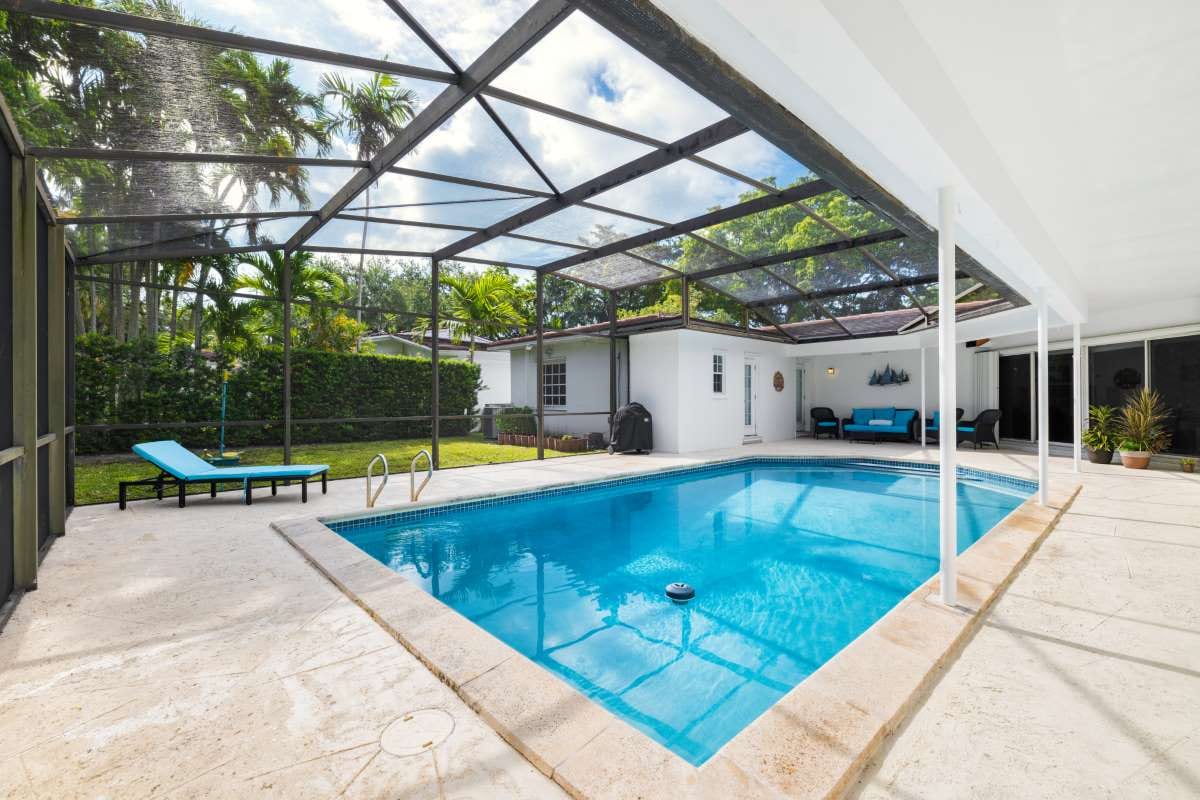
📌 Key Takeaway: Tempe's combination of new construction, year-round swim weather, and high household density gives pool service operators a rare runway for adding 30 to 60 stops a month, but only if you have the route density, technician capacity, and capital plan ready before demand arrives.
Tempe sits at the intersection of two trends that matter to pool service owners: steady residential construction across South Tempe and the Warner Ranch corridor, and a rental market driven by ASU staff and graduate students who treat backyard pools as a baseline amenity. The question is not whether you can grow here, it is whether your business is structured to absorb that growth without breaking. This guide walks through the steps that separate operators who scale cleanly from those who burn out chasing accounts.
Read the Tempe Market Before You Add Capacity
Before buying a truck or hiring a technician, map where the pools actually are. Tempe is compact at roughly 40 square miles, but pool density varies dramatically. The 85284 zip code south of Warner Road has the highest concentration of single-family pools, while areas closer to downtown lean toward condo complexes with shared water. Pull the county assessor data, drive the neighborhoods you are targeting, and confirm drive times between stops stay under 12 minutes. If your windshield time creeps above that, your margins will erode no matter how many accounts you sign.
Look at competitor saturation honestly. Tempe has a mature pool service market, which means new accounts are usually won from existing providers rather than from homeowners doing it themselves. Price your service against the local going rate, which currently sits between 125 and 165 dollars per month for weekly chemical and net service, and decide whether you will compete on price, reliability, or scope.
Build Route Density Before You Chase Volume
The most common mistake operators make in growth markets is taking every account that calls. A pool in Ahwatukee, one in north Tempe, and one in Chandler looks like three accounts on paper, but it is a 90 minute route for three stops. That math kills small operators.
Set a minimum density rule before you grow. A workable target in Tempe is eight to ten stops per technician per half-day, clustered within a two-mile radius. If a new account does not fit your existing cluster, either price it high enough to cover the drive time or pass on it. Buying an established route in a tight geographic pocket is often faster than building density one account at a time, and you can review available inventory at Pool Routes for Sale in Arizona to see what is currently on the market in the Phoenix metro.
Get Your Pricing Structure Right Before Growth Hits
Tempe summers push chlorine demand and equipment wear higher than most national markets. Your pricing needs to account for that. A flat monthly rate that ignores chemical pass-through is a slow leak on your P&L when liquid chlorine prices spike, which they do every summer. Two structures work well here:
- Base service fee plus chemicals at cost or cost-plus, billed monthly with a transparent line item.
- All-inclusive flat rate priced at the 75th percentile of the local market, with a written cap on monthly chemical usage and an overage clause for green pool recovery.
Whichever you choose, document it in your service agreement and have every new customer sign before the first visit. Verbal agreements break down fast when a heat wave triples your muriatic acid bill.
Staff Ahead of Demand, Not Behind It
Hiring in Tempe is competitive. ASU draws labor toward retail and hospitality, and the trades pay well enough that pool techs can leave for HVAC or landscaping if you do not retain them. Start recruiting your next technician at 70 percent capacity, not 100 percent. A new hire needs four to six weeks of ride-alongs before they can run a route solo without losing accounts to missed visits or chemistry mistakes.
Pay structure matters more than hourly rate. Technicians who earn a per-stop bonus or a percentage of route revenue tend to stay longer and protect account quality, because their income is tied to keeping customers happy. Build that into your offer letter from day one.
Prepare Your Capital Stack for Expansion
Growth eats cash. A new truck, a chemical inventory bump, insurance riders for additional drivers, and software licenses for route management add up to 15,000 to 35,000 dollars per new route added. Most owners underestimate the working capital gap between signing accounts and collecting the first month of revenue.
Three financing paths are worth considering before you need the money:
- A line of credit secured against existing route revenue, which gives you flexibility without locking in a payment.
- SBA 7(a) financing if you are acquiring an established route package, which often comes with better terms than equipment loans.
- Seller financing on route acquisitions, which is common in this industry and lets you grow without depleting cash reserves.
If acquisition is on your radar, browse current Tempe-area pool route listings to understand pricing, customer counts, and the typical deal structure before you sit down with a lender.
Lock in Systems That Scale
A two-route operation can run on a spreadsheet and a phone. A six-route operation cannot. Before you grow past three technicians, commit to route management software that handles scheduling, customer history, chemical logs, and billing in one place. Skimmer, Pooltrackr, and HCP are common choices, and the cost is trivial compared to the time saved.
Set up your books with class tracking by route from day one. When you later sell or refinance, a buyer or lender will want to see per-route profitability, not just a combined P&L. Reconstructing that data later is painful. Building it in from the start is free.
Plan for the Seasonal Curve
Tempe has roughly nine months of heavy pool use and three months where service demand drops. Your cash flow plan needs to assume that January and February will be tight, that March through October will carry the year, and that November and December are your window for equipment maintenance, vehicle replacement, and employee training. Operators who treat every month as average are the ones who scramble for cash in late winter. Operators who reserve 8 to 12 percent of summer revenue for the slow months grow steadily without stress.
Tempe rewards operators who prepare. Align your density, pricing, staffing, capital, and systems now, and growth will compound in your favor rather than overwhelm you.