📌 Key Takeaway: Pool companies in Boynton Beach grow fastest when they combine hyperlocal marketing, tight route density, and disciplined customer retention rather than chasing scattered one-off accounts.
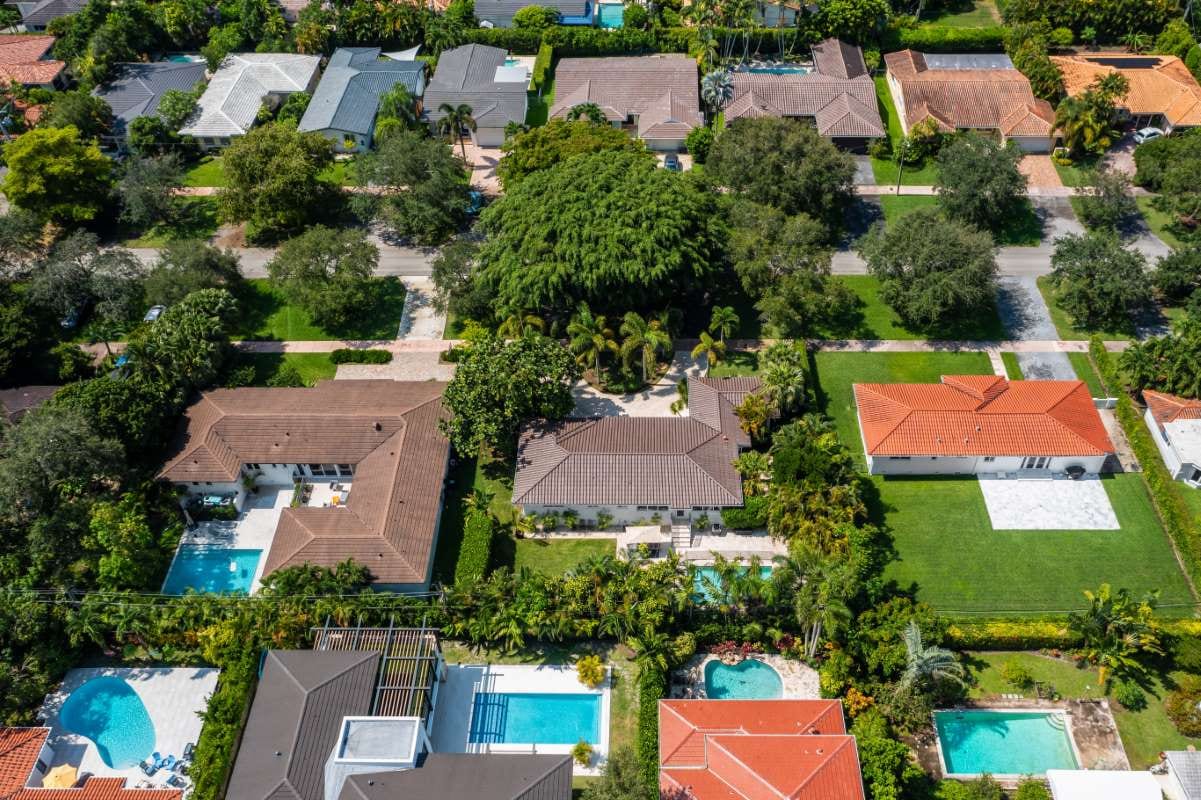
Boynton Beach sits in one of the most pool-saturated corridors in Palm Beach County, with screened lanais behind nearly every single-family home from Hypoluxo Road south to Gateway Boulevard. That density is a gift for any service company willing to play the long game on routing, reputation, and recurring revenue. The tactics below are tailored to the realities of operating between I-95 and the Intracoastal: heavy summer rain, salt-air corrosion, deed-restricted communities, and a snowbird population that doubles your inbound calls from November through April.
Build Route Density Before Chasing Volume
The single biggest lever on a Boynton Beach pool route is windshield time. A technician who services 18 pools in a four-mile radius will out-earn one driving 60 miles across three zip codes every day of the week. Before you accept a new account, pull up your existing stops on a map and ask whether the prospect is within two minutes of an existing customer. If not, price the job high enough to justify the detour or pass on it.
When you are ready to add stops in clusters, buying an existing book is almost always faster than door-knocking. Established pool routes for sale in Palm Beach County come pre-clustered around neighborhoods like Hunters Run, Indian Spring, and Aberdeen, which means you absorb dozens of accounts in a single transaction without burning months on prospecting. Calculate your cost per acquired account against twelve months of revenue and compare it to what you spend on Google Ads to land a single homeowner.
Dominate Local Search for Boynton-Specific Queries
Homeowners searching "pool service Boynton Beach" or "weekly pool cleaning 33437" rarely scroll past the map pack. Your Google Business Profile is the single highest-ROI marketing asset you own. Verify the listing, set your service area to the zip codes you actually cover (33426, 33435, 33436, 33437, 33472, 33473), and add photos every week. Photo freshness is a ranking signal most competitors ignore.
Ask every happy customer for a review by text within 24 hours of service completion. A short link sent from the technician's phone while still in the driveway converts five to ten times better than an emailed request the next week. Aim for at least 50 reviews with a 4.7-star average before expecting to crack the top three of the map pack against entrenched operators.
Price for Profit, Not for Comparison
Boynton Beach has a wide pricing spread. Snowbird-heavy communities will pay $160 to $200 per month for weekly chlorine service, while older neighborhoods west of Congress Avenue often expect $110 to $130. The mistake new operators make is anchoring to the low end across the board. Segment your book: charge premium pricing in gated communities with strict HOA appearance standards and reserve your value pricing for high-density stops where you can hit ten pools in three hours.
Build in a chemical surcharge clause. Liquid chlorine and muriatic acid prices in South Florida swing 20 to 30 percent year over year, and absorbing those increases silently is how margins quietly evaporate. A one-page service agreement with a pass-through clause for chemical cost increases above a threshold protects you without scaring customers.
Win the Snowbird Cycle
From late October through early May, your phone rings with seasonal homeowners reactivating service. From May through September, those same accounts go dormant. Most operators lose money on this cycle by dropping seasonal customers entirely. A smarter play is a reduced-frequency summer plan: two visits per month at a flat rate covers chemical balance and skimming while the owner is in Connecticut, and it keeps the account on your books year-round.
Track snowbird arrival and departure dates in your CRM. A quick text the week before a customer returns ("Your pool is ready, water tested this morning, see you Saturday") creates the kind of personal touch that produces referrals to three neighbors in the same cul-de-sac.
Hire Slowly, Train Relentlessly
A bad technician will cost you customers faster than any other mistake. The Boynton Beach labor market is tight, and CPO-certified techs with their own truck are scarce. Rather than poaching, build a pipeline: hire a willing helper, ride along for three weeks, then send them out solo on a tight 12-stop loop. Pay a route bonus tied to retention, not just stop count, so technicians have a financial reason to keep customers happy.
Document everything. A short training video for each common task, from acid washing to filter cleaning to salt cell replacement, lets a new hire become productive in days instead of months. The companies that scale past 300 stops in this market are the ones that operationalize training instead of relying on tribal knowledge.
Diversify Revenue Beyond Weekly Service
Weekly maintenance is the recurring base, but margins on repairs and equipment installs are two to four times higher. Train your techs to flag failing pumps, cracked filters, and cloudy salt cells, and follow up with the homeowner the same day with a quoted repair. A technician who books $300 in repair work per week is adding $15,000 a year to your top line per route.
If you are looking to grow faster than organic referrals allow, evaluate acquisition opportunities through a broker that specializes in the industry. Browsing curated pool route listings gives you a sense of revenue multiples, customer concentration, and equipment included, so you can benchmark your own valuation while shopping for tuck-in routes that fit your existing geography.
Measure What Actually Moves the Business
Track three numbers weekly: customer churn rate, revenue per stop, and average stop time. If churn climbs above 1.5 percent per month, you have a service quality or communication problem. If revenue per stop is flat year over year, you are leaving price increases on the table. If average stop time creeps up, you have a routing or equipment issue draining your margin.
Growth in Boynton Beach is not about being the biggest pool company in town. It is about owning your zip codes, retaining customers for five-plus years, and operating with the kind of financial discipline that makes the business sellable when you are ready to exit.