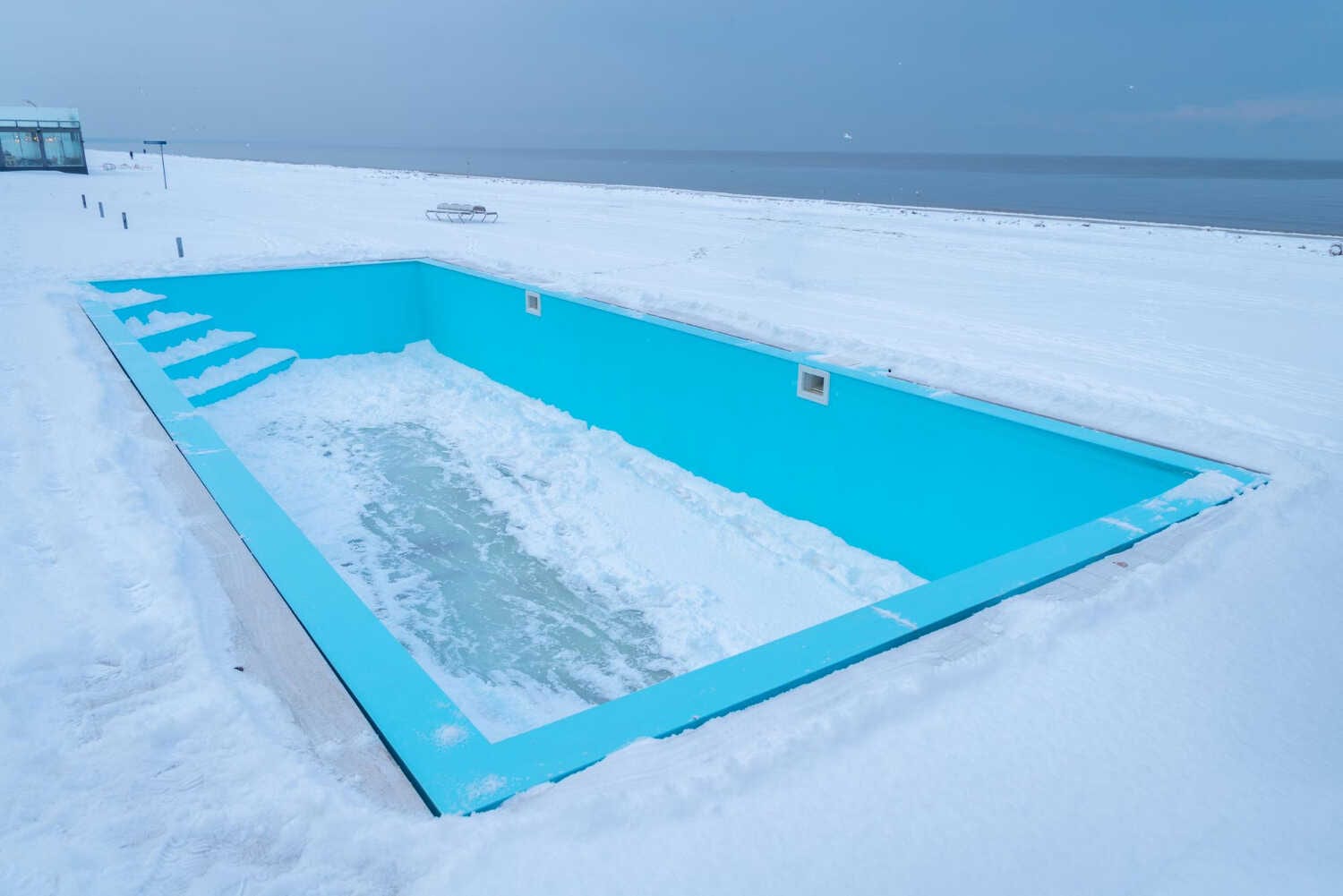
📌 Key Takeaway: Natural swimming pool conversions replace chemical sanitation with plant-based biofiltration, opening a specialty service niche that pool route operators can build around with the right training and supplier relationships.
Natural swimming pools are no longer a curiosity confined to European gardens. Over the past decade, homeowners across the United States have started asking pool builders and service techs a question that would have sounded strange in 2004: can we turn this chlorinated rectangle into something closer to a pond? For pool route operators, that question is more than a design conversation. It is a signal that the residential pool market is fragmenting, and that the routes most resilient to change are the ones whose owners understand the full spectrum of what a backyard pool can be. Superior Pool Routes has worked with service buyers since 2004, and we have watched specialty niches like this one turn quiet curiosity into real recurring revenue. This guide walks through what natural swimming pools actually are, how a conversion is engineered, what changes for the service tech, and where the opportunity sits for route operators who want to add this work to their book.
Understanding Natural Swimming Pools
A natural swimming pool, often abbreviated NSP and sometimes called a swimming pond or bio-pool, is a constructed body of water that achieves clarity and hygiene through ecology rather than chemistry. The defining feature is a divided footprint. One section is the swimming zone, deep, clean, and visually similar to a conventional pool. The other section is the regeneration zone, a shallower planted area that does the filtration work. Water moves between the two continuously, either by gravity through a hydraulic gradient or by low-wattage pumps, so the swimming zone is always being polished by the plants and the microbial community living in the gravel beds of the regeneration zone.
Nothing about the swimming experience requires chlorine, bromine, or salt cell sanitation. The water is kept clear by three overlapping processes. Aquatic plants pull nitrogen and phosphorus out of the water column, starving the algae that would otherwise bloom. Aerobic bacteria colonizing the gravel substrate of the biofilter break down organic matter the way the same bacteria do in a healthy lake margin. Mechanical skimming handles leaves and large debris before they reach the plant zone. The result is water that looks more like an alpine pond than a hotel pool, and that swimmers describe as softer on skin and eyes because there are no chloramines, no high salt loads, and no pH-buffering chemistry to balance.
These pools are not lawless. The European-led design tradition that produced the modern NSP has settled into a few reliable rules of thumb. The regeneration zone typically equals or exceeds the surface area of the swimming zone. Water depth in the swimming portion is usually kept below the depth that would stratify the water column thermally in summer. Plant selection leans on emergent species like rushes, sedges, irises, and pickerelweed in the shallows, with submerged oxygenators in deeper pockets. The point of the design language is not aesthetics for its own sake. Each element does measurable work in the water chemistry.
Why Homeowners Are Asking About the Conversion
The customers driving conversion requests are rarely chasing a trend for its own sake. They tend to fall into a few recognizable groups. Some have chemical sensitivities and have grown tired of red eyes, dry skin, and the smell of a chlorinated pool deck in summer. Others are landscape-driven, with established gardens that a stark rectangle of blue interrupts visually. A third group is energy-conscious, looking at the kilowatt-hours their variable-speed pumps and heaters consume year after year and wondering whether there is a lower draw alternative. And a fourth group is composed of empty nesters whose pool sees light recreational use and could be more interesting as a feature than as a sports facility.
What all four groups share is a willingness to invest upfront for a long-horizon payoff. Conversions are not cheap. They require structural assessment, regrading, plumbing rework, plant stocking, and a stabilization period before the biology settles in. But the homeowners willing to undertake one tend to be the same homeowners who keep a service tech on contract for the life of the pool, because they value the asset and want it cared for properly. For a route operator, that is exactly the right customer profile.
The Conversion Process From Standard to Natural
Conversions begin with assessment rather than demolition. The existing pool shell, whether gunite, fiberglass, or vinyl-lined, has to be evaluated for whether it can be repurposed as the swimming zone of the new design or whether the geometry is wrong and the shell needs to be partially reshaped. A rectangular gunite pool with a deep end is often a good candidate because the deep section becomes the main swimming volume and one end can be opened up to feed an adjacent regeneration zone. A small kidney-shaped vinyl pool may be harder to work with because the available footprint does not leave room for a plant zone of adequate surface area.
Design is where the project lives or dies. The designer has to lay out the swimming zone and the regeneration zone with attention to the hydraulic loop between them. Water leaves the swimming zone, passes through the gravel-and-plant biofilter, and returns clarified. Flow rates have to be slow enough that contact time with the substrate is sufficient for biological uptake but fast enough that the swimming zone turns over completely on a reasonable cycle. Plant species are selected based on climate zone, light exposure, and the chemistry the plants will be asked to manage. A Florida conversion uses a different plant palette than a conversion in northern California, and both differ from a Texas project that has to tolerate hot summer water temperatures.
Construction follows the design. The legacy sanitation plumbing, which is built around pulling water through cartridge or sand filters and dosing it with chlorine, is mostly stripped out. The shell is modified as needed, often by removing one wall or section to create the opening into the regeneration zone. The regeneration zone itself is excavated, lined, and built up in layers: a base of larger stone, then graded gravel, then planting pockets for the aquatic species selected. Pumps appropriate to the new hydraulic profile are installed, sized for continuous low-flow operation rather than the burst cycles of a conventional filter system. A skimmer survives the conversion, often repositioned, because mechanical removal of surface debris is still useful. Heating, if the homeowner wants it, is reworked to handle the larger total water volume.
Commissioning takes patience. The biological filter is not active on day one. It needs weeks, sometimes a full season, for the bacterial colonies in the gravel to mature and for the plants to root in and start drawing nutrients. During that window, water quality can swing, and some operators will use limited mineral-based treatments or careful management of organic load to bridge the gap. By the second swimming season, a well-designed conversion has settled into a stable ecosystem that needs only seasonal attention.
What Changes for the Service Tech
A natural swimming pool on a service route does not look like a conventional stop, and that is exactly why it represents an opportunity. The familiar weekly rhythm of testing free and combined chlorine, adjusting pH, brushing walls, vacuuming, and emptying skimmer baskets gives way to a different checklist. The tech still tests water, but the parameters of interest are pH, nitrate and nitrite, phosphate, dissolved oxygen, and clarity rather than sanitizer residual. Skimmer maintenance is similar. Vacuuming is occasional rather than weekly because the biofilter handles most of what would otherwise settle on the floor.
Plant maintenance becomes a real part of the visit. Emergent plants are trimmed seasonally to remove the nutrient load locked in their above-water tissue, which is the practical mechanism by which the regeneration zone exports phosphorus and nitrogen out of the system. Dead leaves and stems are pulled before they can sink and decompose. Submerged oxygenators are thinned when they overgrow. None of this is difficult once the tech has been trained, but it is genuinely different from chemical service, and a route operator pricing this work needs to account for the time involved.
Equipment service shifts as well. The aggressive sand filter backwashes of a conventional pool are absent. Pumps run more hours but at lower power, so motor service intervals look different. UV clarifiers or low-energy ozone units, used in some hybrid designs to assist the biology rather than replace it, become part of the service inventory. The chemistry kit on the truck loses its trichlor pucks and gains nitrate test strips and a plant pruning shears.
Pricing and service cadence shift to match. Natural swimming pools are usually billed higher per visit than conventional accounts because the work per stop is more involved and the customer base supports it. The visits are also often less frequent. A well-stabilized natural pool may need a fortnightly service rhythm in summer rather than weekly, with heavier seasonal visits in spring and fall for plant cuttings and substrate inspection. The total annual revenue per pool tends to land in the same range as a high-end conventional account, but the labor profile is different. For a route operator, the implication is that one or two of these accounts in a portfolio creates skill diversification without disrupting the overall route geography.
Where the Niche Sits in the Route Market
Natural swimming pool conversions are still a small share of the residential pool market, but they are concentrated in regions and demographics that overlap heavily with where pool routes are bought and sold. Areas of Florida with established luxury landscape markets see steady conversion interest. Parts of coastal and inland California with strong environmental values and large lot sizes are reliable markets as well. Pockets of Texas around Austin and the Hill Country, where xeriscape design and eco-conscious building are part of the local culture, generate inquiries that often turn into projects. For a route operator working in any of these regions, the question is not whether the work exists but whether to position the business to capture it.
Capturing it does not require converting an entire route. It requires being the person the local landscape architects and natural pool designers call when their clients ask who is going to service the finished installation. That referral relationship is built one project at a time, and it is durable. Once a designer trusts a service operator with a natural pool, the next three or four projects in the area tend to land in the same hands.
Building the skill set behind that trust takes intention. Service techs trained on conventional pools can learn natural pool service, but the learning curve is real. The underlying water chemistry is different in emphasis, and the plant care side is genuinely a new domain. Operators getting into this work usually do one of three things. They partner with a local landscape contractor who handles the plant side while the pool tech handles water and equipment. They send a tech to one of the natural swimming pool training programs that have emerged in the US and Europe over the past several years. Or they apprentice on an existing installation for a season before taking on their own accounts. All three paths work. The wrong move is to treat a natural pool like a chemical pool with the chlorine turned off. The biology has to be respected, and a tech who does not understand what the plants and bacteria are actually doing will mismanage the system.
How This Fits a Route Acquisition Strategy
For buyers looking at established routes, natural pool accounts are an interesting wrinkle. They are rare enough that most listed routes do not include any, but the customers who have them are typically long-tenured and highly retained. If a route being acquired has even one or two natural pool accounts, those accounts are worth specific diligence: confirm the service scope, confirm the pricing, confirm whether the seller has documentation on the plant palette and the biofilter design, and confirm whether the customer is on an annual or per-visit arrangement. That diligence protects the buyer from inheriting a specialty account they are not yet equipped to service.
More commonly, the natural pool opportunity is something a buyer builds into a route after acquisition rather than something they inherit. The route provides the geographic density and the steady cash flow. The natural pool work is layered on top as a higher-margin specialty service that uses a small portion of the tech's week and a different skill set. That layering is one of the more durable ways to differentiate a route business in a market where conventional pool service is increasingly competitive on price.
A Pragmatic Outlook
Natural swimming pools are not going to displace conventional pools any time soon. The vast majority of American backyards that have a pool will continue to have a chlorinated or salt-sanitized one, and the route business will continue to be built around servicing those pools. But the slow expansion of the natural pool niche is real, and it is concentrated in exactly the markets where Superior Pool Routes has been helping buyers acquire and grow routes since 2004. Operators who add natural pool capability to their service mix are not chasing a fad. They are building optionality into a business that benefits from having more than one kind of customer.
If you are evaluating a route purchase or planning the next phase of an existing route, the question worth sitting with is straightforward. Are the customers in your service area starting to ask for something different, and is your route positioned to be the one that answers when they do? Natural swimming pool conversions are one form that question is taking. The route operators who notice it early will be the ones quoting these jobs when their competitors are still trying to figure out why a customer would want a pool full of plants in the first place.