📌 Key Takeaway: Biophilic design is reshaping modern pool areas in ways that directly expand service complexity — and that spells real upsell opportunity for pool-route operators who understand what these features demand.
Biophilic design — the practice of weaving natural materials, living plants, and flowing water into built environments — is no longer a niche architectural concept. It has become a mainstream expectation among homeowners who want their backyard pools to feel like retreats rather than mere recreational fixtures. For pool-route professionals, this shift is not just an aesthetic story. It is a business story. Every naturalistic element added to a pool area creates new maintenance requirements, and the operators who can confidently service these spaces will command higher per-stop revenue and stronger client retention.
What Biophilic Pool Design Actually Looks Like
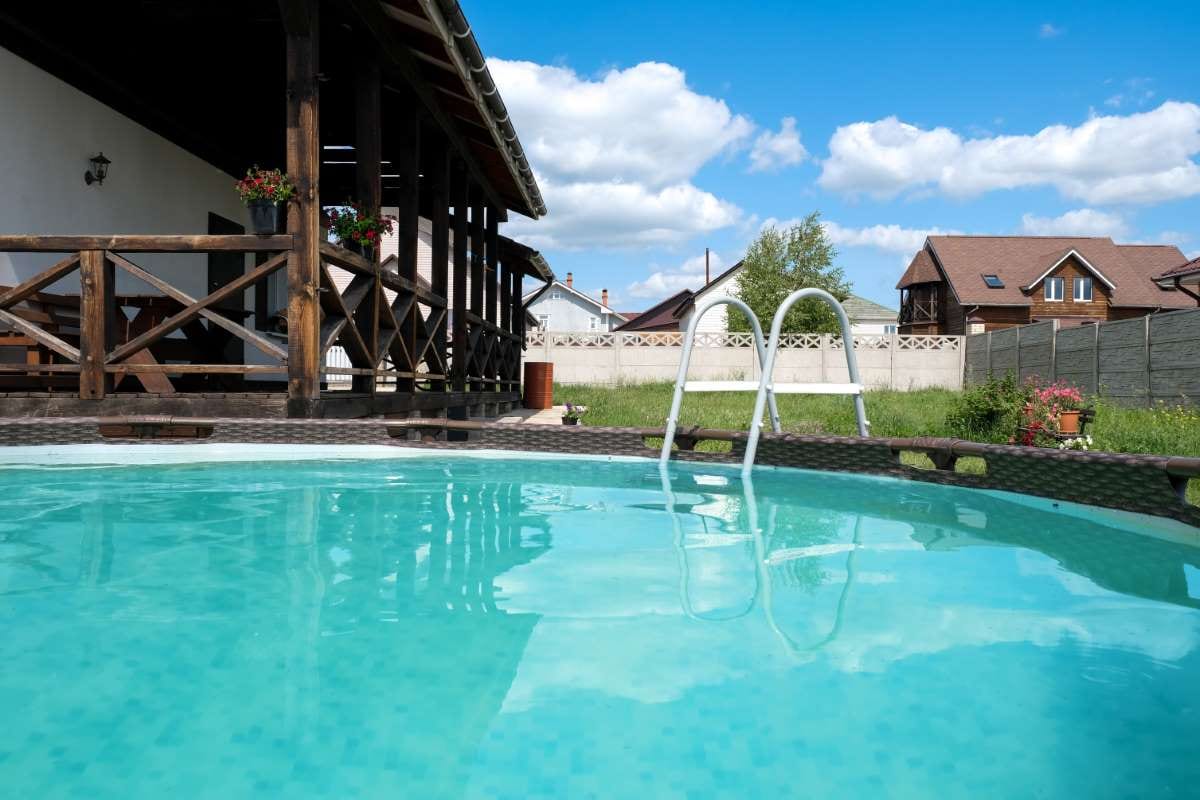
Biophilic pool areas are defined by the integration of organic elements alongside the water itself. Natural stone coping, timber pergolas, planted walls, rock waterfalls, pebble-finish interiors, and surrounding native gardens are now common features on mid-to-upper-tier residential properties. Infinity edges that dissolve into a horizon view, spillways that mimic natural streams, and shallow beach entries that simulate a lake shore are equally prevalent.
Clients investing in these pools are not doing so casually. They are spending significantly more than homeowners with a standard plaster pool and concrete deck, and they expect a correspondingly higher level of service. That expectation opens the door for route operators to differentiate themselves and justify pricing above the commodity floor.
Natural Water Features and Their Maintenance Demands
Decorative water features — including rock waterfalls, spillways, and raised spa overflows — are a hallmark of biophilic pool design. They look effortless, but they introduce real complexity for service technicians.
Moving water increases evaporation rates, which means chemical concentration fluctuates faster than in a static pool. Spray patterns created by waterfalls can aerate the water excessively, driving pH upward and requiring more frequent acid additions. Pump systems powering features run additional equipment that needs inspection at each visit — impellers, check valves, and feature timers all fail independently of the primary circulation pump.
For operators, this translates directly to a justifiable increase in visit frequency or service fee. Clients who have invested in elaborate water features are typically receptive to a premium service tier when it is explained clearly. Framing it as "feature maintenance" rather than just "cleaning" positions the technician as a specialist rather than a commodity vendor.
Planted Walls, Native Gardens, and Debris Management
Living plant installations adjacent to pools — vertical gardens, green walls, and densely planted borders using native species — create a beautiful environment that significantly increases debris load. Leaves, seed pods, flower petals, bark, and organic matter enter the pool constantly, particularly during seasonal cycles. Filters clog faster, skimmer baskets require more frequent emptying, and phosphate levels rise as organic matter decomposes.
Operators servicing these accounts need to factor this into their pricing from the start. A route stop with a naturalistic garden surround is not comparable to a pool surrounded by concrete and minimal landscaping. Phosphate treatments, enzyme additives, and more frequent filter cleanings are all legitimate add-on services that directly address what biophilic landscaping introduces.
This is also an excellent reason to review your current accounts with an eye toward identifying which ones have recently upgraded their landscaping. If a client added a planted garden or a green wall in the last year or two and your service fee has not changed, you are likely absorbing real additional labor and product cost.
Natural Materials and Chemical Compatibility
Stone, travertine, sandstone, and natural timber are increasingly used in pool areas as coping, decking, and furniture. These materials interact with pool chemistry differently than concrete or synthetic alternatives. Some natural stones are calcium-bearing, meaning they can elevate calcium hardness in pool water over time, contributing to scaling and cloudy water. Porous stone surfaces also harbor algae more readily than non-porous materials, especially in shaded or humid microclimates.
Technicians who understand the chemistry of natural building materials can provide smarter service and catch problems before clients notice them. This expertise is a genuine differentiator. A service professional who proactively explains why the coping is causing calcium scaling — and offers a targeted solution — builds lasting trust and makes themselves very difficult to replace.
Sustainable Pool Systems Are More Complex to Service
Biophilic design philosophy often extends to the mechanical systems powering the pool. Variable-speed pumps, solar heating panels, saltwater chlorine generators, UV sanitation systems, and automated dosing controllers are all common on these properties. Each of these systems requires familiarity to service correctly.
Operators who have invested in training around advanced equipment are well-positioned to capture service contracts on these premium properties. Clients who have spent significant money on sustainable technology want to know that their service provider understands it — not just that they can skim and test chlorine. If your team is not currently certified or trained on variable-speed drive systems and salt generators, that is a gap worth addressing as you grow your route into higher-value neighborhoods.
Upsell Opportunities Tied to Biophilic Upgrades
Every major biophilic feature introduces a category of upsell service that makes sense for route operators to formalize:
- Water feature deep cleaning: Seasonal or biannual removal of biofilm and calcium deposits from rock formations and spillways
- Filter upgrade consultations: Recommending cartridge or DE filter upgrades when naturalistic landscaping increases debris load
- Phosphate testing and treatment programs: Offered as a monthly add-on for accounts with heavy organic debris
- Salt cell inspection contracts: For properties using saltwater systems alongside natural landscaping that stresses water balance
- Equipment timer and automation audits: Ensuring feature pumps, lights, and automation controllers are properly scheduled for energy efficiency
These are not hard sells. They are logical extensions of what the environment demands. Clients who have invested in biophilic design are already predisposed to spending more to protect and maintain the experience they paid for.
Building a Route Around Premium Properties
As biophilic design becomes more common in residential construction and renovation, routes that include a higher proportion of these accounts will trend toward better revenue per stop. If you are looking to enter a new market or expand your existing route footprint, seeking out areas with newer construction, active renovation markets, or higher median home values is a practical strategy for building toward this kind of account mix.
For those considering entering the pool service industry or expanding into new regions, understanding the composition of the accounts on a given route matters as much as the raw stop count. Explore pool routes for sale to find established routes with account profiles that match your service capabilities and growth goals.
What This Means for the Industry
Biophilic design is not a passing trend. Homeowners and commercial property owners are consistently moving toward outdoor spaces that feel connected to nature, and pools are central to that vision. The maintenance complexity those spaces carry is not a burden for prepared operators — it is a structural advantage. The more a pool area demands in terms of skilled service, the harder it becomes for a client to replace their technician with the cheapest option available.
Route operators who develop genuine expertise in servicing biophilic pool environments — understanding the chemistry, the equipment, and the landscaping dynamics — are building something durable: a reputation for handling the accounts that other operators find intimidating. That reputation is worth building deliberately.