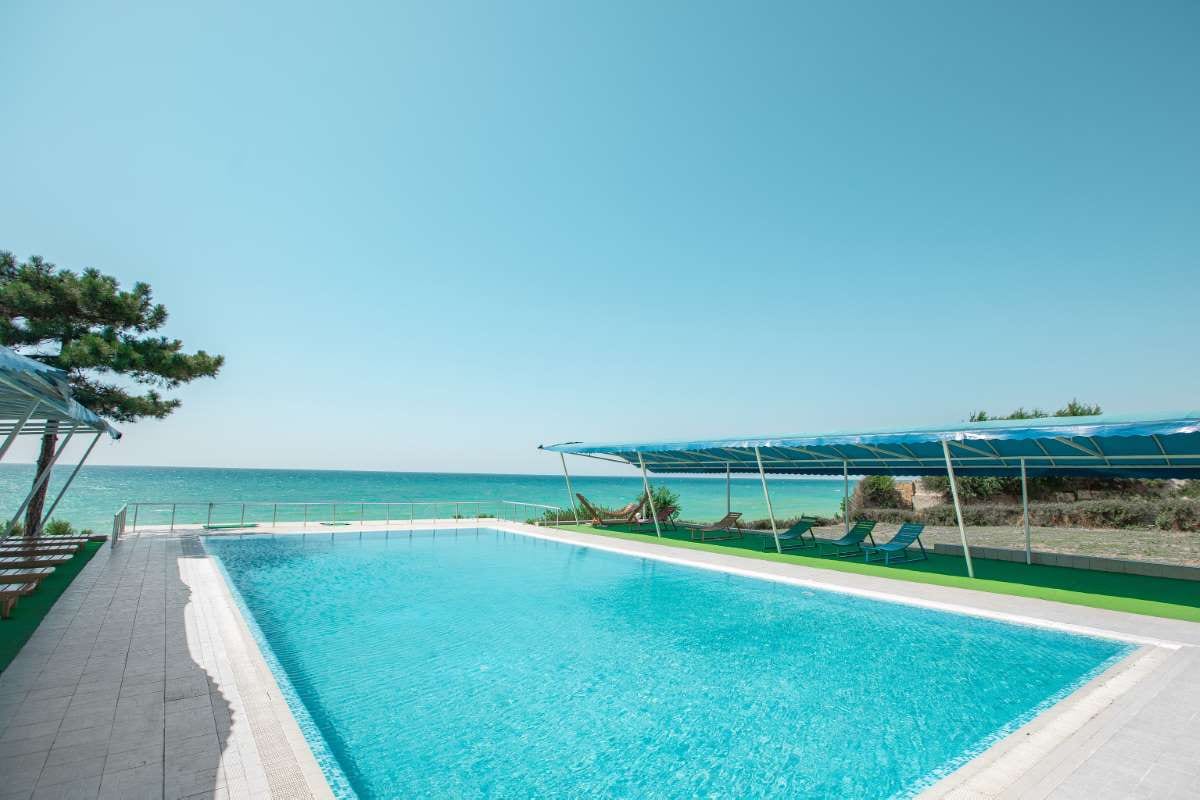
📌 Key Takeaway: Pool service professionals operating in Arizona's desert climate need specialized water conservation strategies to serve clients effectively, protect the environment, and run a profitable, sustainable route business.
Why Water Conservation Is a Core Competency for Arizona Pool Pros
Running a pool route in Arizona is unlike operating anywhere else in the country. The Sonoran Desert delivers relentless heat, low humidity, and extended dry seasons that combine to make water conservation not just an environmental priority — it is a business differentiator. Clients are increasingly aware of rising water costs, municipal restrictions, and long-term drought projections across the Colorado River Basin. Pool service technicians who can demonstrate genuine expertise in conservation strategies earn client loyalty, generate referrals, and justify premium pricing on their routes.
For anyone looking to break into the Arizona market — or expand an existing route — understanding water management is as fundamental as chemical balancing or equipment repair. Arizona routinely ranks among the states with the tightest per-capita water supplies, and municipalities across the Valley of the Sun have introduced tiered pricing structures that penalize high-volume residential water users. A single poorly maintained pool can push a homeowner into a much higher billing tier, making the pool service pro's visit a financially significant event. That creates real value if you know how to address it.
Whether you are evaluating pool routes for sale or growing an existing book of business, building water conservation knowledge into your service offering is one of the smartest investments you can make.
Evaporation: The Silent Revenue Drain
Evaporation is the dominant cause of water loss in Arizona pools and the issue most pool owners underestimate. On a typical summer day in Phoenix or Tucson, an uncovered residential pool can lose between a quarter-inch and a half-inch of water to evaporation — sometimes more when afternoon winds pick up. Across a standard 15,000-gallon pool, that translates to hundreds of gallons per week disappearing without a single leak or technical failure.
For pool service technicians, this is an opportunity to add value during every visit. A few actionable steps:
Recommend and inspect pool covers. Solar blankets reduce evaporation by up to 95 percent when deployed consistently. On your service rounds, take note of whether clients are actually using the covers you have recommended. A client who stores the cover in the garage instead of deploying it nightly is hemorrhaging water and money. A brief, friendly reminder during each visit reinforces your expertise and saves them real dollars.
Flag windbreak deficiencies. Pools surrounded by open desert landscaping or wide hardscape are especially vulnerable. Suggest strategic shade sails, pergolas, or drought-tolerant screening plants positioned to block prevailing afternoon winds without blocking the client's view or access. This kind of holistic property assessment elevates you from a chemical applicator to a trusted advisor.
Monitor water level trends. During each service visit, note the waterline against a fixed reference point. A faster-than-expected drop is an early signal for either evaporation problems or a slow leak. Catching leaks early prevents structural damage and demonstrates attentiveness that clients remember at renewal time.
Chemical Management as a Conservation Strategy
Many pool owners do not connect chemical management with water conservation, but the link is direct. When water chemistry drifts out of balance — high cyanuric acid accumulation, calcium hardness buildup, or total dissolved solids climbing beyond 3,000 ppm — the only corrective option is a partial or full drain-and-refill. In Arizona's desert heat, those situations arise faster than they would in cooler, wetter climates.
Proactive chemical management prevents the need for costly, wasteful drains. Key practices include:
Track cyanuric acid levels carefully. Stabilized chlorine products, which are popular in sunny Arizona because they protect chlorine from UV degradation, also steadily raise cyanuric acid over time. Once levels exceed 80–100 ppm, chlorine effectiveness drops sharply, creating an algae risk. The corrective action — dilution — wastes thousands of gallons. Route techs who monitor CYA monthly and steer clients toward unstabilized chlorine supplements when levels climb avoid this problem before it starts.
Use liquid chlorine strategically. Unlike trichlor tablets, liquid chlorine adds no cyanuric acid and no calcium. For Arizona routes where CYA and calcium hardness are chronic concerns, recommending liquid chlorine — even at a slightly higher per-gallon cost — can dramatically extend the interval between dilutions and drains.
Schedule filter backwashes efficiently. Backwashing too frequently flushes clean water unnecessarily. Teach clients (or establish route protocols) to backwash only when filter pressure rises 8–10 psi above the clean baseline, not on a rigid calendar schedule.
Equipment Upgrades That Pay for Themselves in Arizona
Equipment recommendations are another avenue for pool pros to generate upsell revenue while delivering genuine conservation benefits.
Variable-speed pumps are no longer a luxury in Arizona — they are increasingly required under state energy efficiency codes and utility rebate programs. Beyond energy savings, variable-speed pumps allow slower, longer filtration cycles that keep chemistry stable with less backwashing and less chemical demand. Offering installation services or partnering with a licensed contractor adds a revenue stream to your route business.
Automated water levelers replace float valves on older installations and maintain a precise waterline without the overflow and runoff that malfunctioning floats cause. For clients with large pools or high evaporation exposure, auto-levelers paired with a monitored flow meter provide an early alert if the system is filling more than expected — a sign of a leak rather than normal evaporation.
Leak detection partnerships. Consider building a referral relationship with a local leak detection specialist. When your route techs identify suspicious water loss patterns, a trusted referral closes the loop for the client and often earns you a reciprocal referral when the leak pro encounters a homeowner without a service contract.
Regulatory Awareness as a Competitive Advantage
Arizona municipalities are implementing increasingly strict watering ordinances and pool-specific conservation requirements. Scottsdale, Mesa, Chandler, and other Valley cities have each introduced their own guidelines at various times, and they evolve with drought conditions. A pool service professional who stays current on local regulations — and proactively informs clients of changes — provides a compliance service that many homeowners simply do not have time to track themselves.
Offering a brief annual water conservation review as part of a premium service tier positions your route business as a full-service partner rather than a commodity vendor. It is also a natural differentiator when competing for new accounts or when acquiring a new route where the previous technician did not offer this depth of service.
Building a Water-Smart Route Business in Arizona
Water conservation expertise compounds in value the larger your route grows. A technician managing 50 accounts in the East Valley who has earned a reputation for keeping pools efficient and compliant will find it far easier to get referrals, negotiate account transfers, and attract the kind of established clientele that makes a route genuinely valuable.
If you are considering entering the Arizona market or expanding your existing footprint, evaluating pool routes for sale with an eye toward water-intensive properties — large pools, older equipment, high-CYA histories — gives you negotiating insight that less-informed buyers lack. Understanding the true service burden of a route, including conservation challenges, helps you price and plan accurately from day one.
Arizona's desert climate is demanding, but for the prepared pool service professional, those same conditions create an environment where specialized knowledge commands real respect — and real revenue.