
Many pool routes look profitable on paper but struggle to generate strong real-world income once chemical costs, employee inefficiency, customer turnover, fuel expenses, and unpaid invoices begin adding up. At the same time, we have seen relatively modest-sized routes become extremely profitable simply because they were managed efficiently and consistently.
One of the biggest distinctions in the pool service industry is whether you are personally doing the physical work yourself or operating with employees. Obviously, there is often more direct profit when you clean the pools yourself because you are not paying labor. However, you are also limited by your own physical capacity and time. On the other hand, employee-based companies can scale larger, but only if they stay disciplined operationally.
After many years of operating both small and large pool service companies ourselves, we found that profitability usually comes down to five key areas:
- Controlling chemical, supply, and fuel costs
- Selling parts and upgrades
- Performing repairs and filter cleans
- Maintaining and growing your customer base
- Staying on top of accounts receivable
Pool companies that consistently manage these five areas well often outperform competitors who focus only on adding more pools.
I. Controlling Chemical, Supply, and Fuel Costs
 The full chemical and testing kit a typical residential route relies on week to week.
Think in Averages — Not Emotions
One mistake many newer pool service owners make is trying to calculate the exact profitability of every single pool individually. In reality, if you spend all your time micromanaging every gallon of chlorine or every ounce of acid, the increase in profitability is often negligible.
Of course, there are exceptions. Extremely large pools, heavily used pools, or pools with leaks can absolutely justify special pricing or closer attention. But generally speaking, most residential pools fall within a fairly predictable size range.
Don't go by gut feeling — do the math.
Example 1
A 15 x 30 pool with an average depth of 4.5 feet:
15 × 30 × 4.5 = 2,025 cubic feet
A cubic foot holds approximately 7.48 gallons.
2,025 × 7.48 = approximately 15,147 gallons
Example 2
A 16 x 32 pool with an average depth of 5 feet:
16 × 32 × 5 = 2,560 cubic feet
2,560 × 7.48 = approximately 19,149 gallons
Most residential pools fall somewhere within this general range. Once you factor in differences such as shade, bather load, landscaping debris, pets, and weather, many pools ultimately average out more similarly than people realize.
Chemical Costs Vary by Season
Depending on your locale, chemical usage may be two to three times higher during the summer months than during winter. As spring arrives, chemical costs begin increasing, and they typically decline again during the fall and winter.
However, most customers do not want fluctuating monthly service pricing. If you constantly raise and lower your pricing seasonally, you run the risk of ending up with mostly seasonal customers who suspend service during slower months.
A surprising thing we learned over time is that profitability can still remain relatively stable year-round because summer also creates more opportunities to sell customers needed items, repairs, and additional services.
Understand Your Major Chemical Expenses
Chlorine
Chlorine is usually your largest chemical expense, but don't make the mistake of ignoring the smaller categories. Over many years of analysis, we found that all chemicals combined significantly impact profitability.
Acid
Muriatic acid and sulphuric acid are often the second largest expense category for many pool companies.
Other Chemicals
Additional commonly used chemicals may include:
- Stabilizer (CYA / Cyanuric Acid)
- Sodium bicarbonate
- Calcium hardness increaser
- Sodium bromide
- Phosphate removers
- Salt
- Enzymes
Over time, even small inefficiencies in chemical handling add up dramatically.
How to Reduce Chemical Costs
If You Clean the Pools Yourself — Be Precise With Chemicals
Small habits matter.
For example, some pool cleaners pour acid by "counting seconds" while the acid pours from the jug. We found it works far better to use a simple plastic measuring cup. Over time, this alone can noticeably reduce acid usage.
Another example involves chlorine tablets. If you arrive at a pool and think it needs two tablets, but there is already a half tablet remaining in the floater, don't simply add two more tablets automatically. Instead, remove the half tablet and save it. Later in the route you may encounter another pool that only needs one and a half tablets.
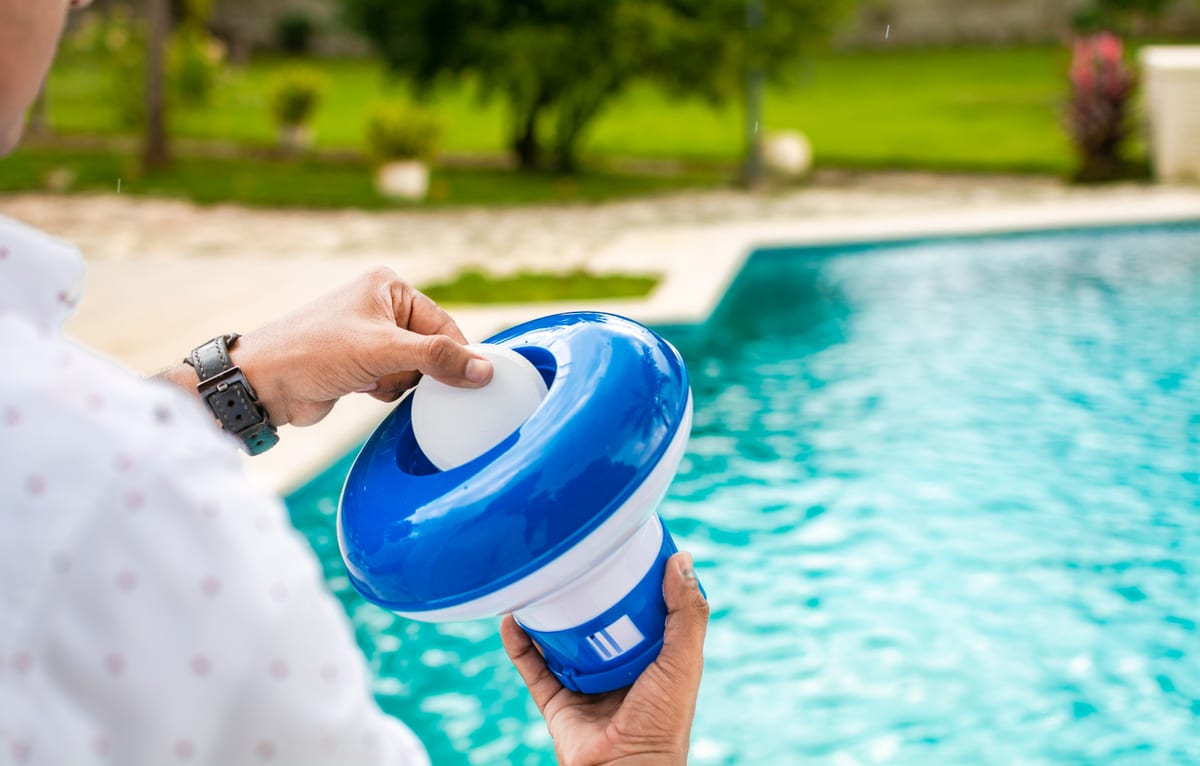 Reusing half-tablets across the route is a small habit that adds up to real dollars over hundreds of visits.
These little efficiencies add up across hundreds of pools and thousands of visits.
It is also important not to overcomplicate pool chemistry in your mind. Many newer pool service owners initially worry that learning chemical balancing will require extensive technical training, but in reality most residential pools are fairly predictable once you gain some experience. Over time, you begin noticing patterns and the process becomes much more routine than many people expect. The key is simply staying observant, consistent, and willing to learn gradually as you work.
Learn What the Pool Is Telling You
Many new pool pros underestimate how much water chemistry knowledge directly impacts profitability.
 Reading what the water is actually telling you is the highest-leverage chemistry skill on a route.
For example, if one pool constantly requires far more acid than neighboring pools, there may be a total alkalinity issue contributing to the problem.
Likewise, understanding CYA levels is critical:
- If CYA is too low, chlorine burns off quickly.
- If CYA is too high, chlorine becomes less effective, requiring higher and higher chlorine levels to maintain proper sanitation.
Learning how chlorine and stabilizer interact can dramatically improve chemical efficiency over time.
Managing Chemical Costs With Employees
Employee-based routes require a different mindset.
In our experience, many workers are not intentionally wasteful. Often they simply do not realize how much profitability is affected by chemical handling.
Train and Remind Constantly
Many of the same techniques discussed above should be regularly reviewed with employees.
We found that even good employees benefit from ongoing reminders regarding:
- proper measuring
- avoiding over-treatment
- understanding chemistry
- preventing waste
Track Chemical Usage
One system we found highly effective was simply having you or your manager officially log what chemicals each worker takes from your stockpile before leaving for the route each day. Once you divide the chemical usage out by the number of pools cleaned, useful averages begin appearing fairly quickly. Over time, this makes it much easier to spot when one worker is using significantly more chemicals than another even though both are keeping pools looking blue and clear. Modern swimming pool software like EZ Pool Biller can also make this process much easier by helping maintain inventory control and track chemical usage averages automatically.
Over time, we found rolling three-day chemical averages extremely useful because they quickly exposed unusual chemical spikes before meaningful money was lost.
Supplies and Equipment
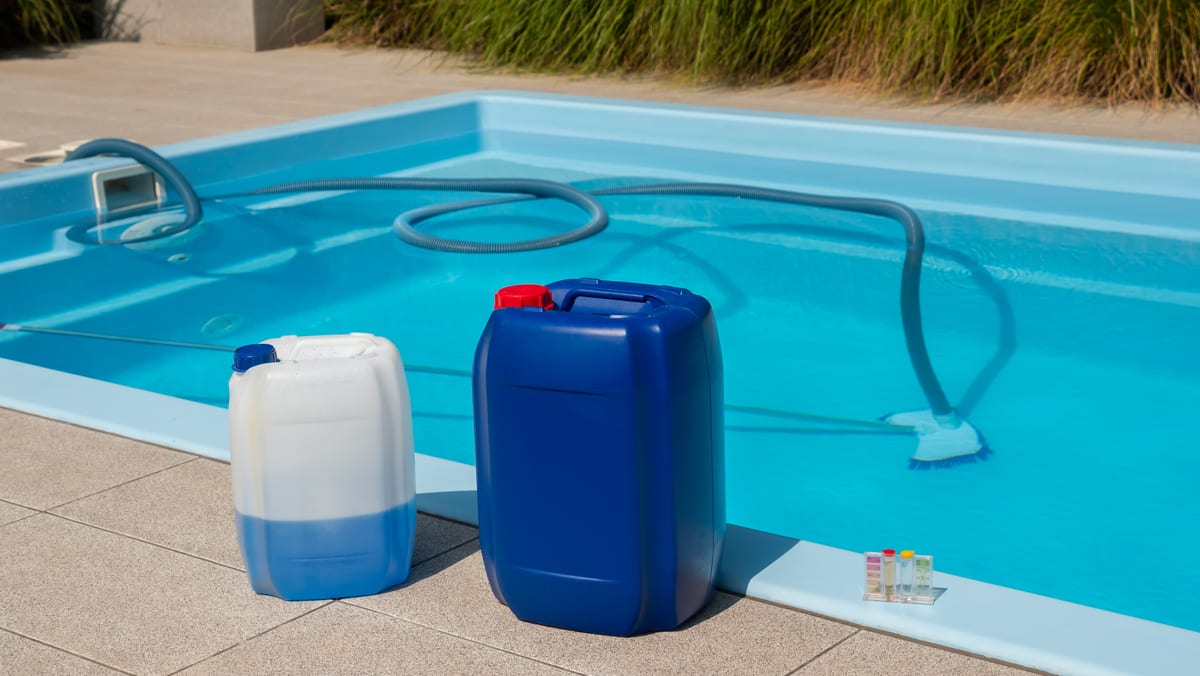 Mid-grade equipment plus disciplined chemical staging is usually the sweet spot for route profitability.
Generally speaking, we found medium-grade tools often worked best.
- Cheap tools fail too quickly
- Extremely expensive tools are often unnecessary overkill
If you operate with employees, keep records regarding how often tools are replaced. Over time, patterns become obvious.
Fuel Costs and Route Efficiency
If You Operate the Route Yourself
One of the easiest ways to increase profitability is route optimization.
Just because a customer has always been serviced on Wednesday does not necessarily mean they must remain on Wednesday forever.
For example, if Jones is your only Wednesday customer in one neighborhood, but Jones is near Smith who is serviced Tuesday, simply moving Jones to Tuesday may save substantial drive time every week.
Many customers tolerate service-day adjustments far more than pool companies often assume — especially when properly communicated.
If You Use Employees
Employee fuel usage must be monitored closely.
Sometimes waste occurs intentionally, but many times it is simply carelessness. We have seen situations where employees drive across town for lunch, to visit friends or girlfriends, or make unnecessary personal stops during route hours.
Whether using company vehicles or reimbursing mileage, you must ensure fuel expenses remain reasonable and accountable.
II. Selling Parts and Small Equipment
One of the biggest profitability mistakes pool companies make is failing to sell needed items customers already require.
When we refer to "parts," we mean non-repair items such as:
- filter cartridges
- grids
- baskets
- cleaner hoses
- wheels and carriages
- lids
- small accessories
These small sales can significantly improve profitability.
Presentation Matters
How you present recommendations to customers matters enormously.
Calling a customer and simply saying:
"You need a new cartridge. It's $150."
is far less effective than briefly explaining why.
For example:
"Hi, we cleaned your filter today and noticed the remay fabric is beginning to fray and retain debris. This is reducing water circulation, which affects both filtration and chemical distribution. We can replace the cartridge and install it for approximately the same cost as the pool store."
This approach helps customers understand the value rather than feeling surprised by the expense.
Motivating Employees to Report Opportunities
Workers often just want to finish the route and go home.
Offering small bonuses for:
- identifying needed items
- reporting equipment issues
- or installing approved items
can significantly increase additional revenue opportunities while also improving customer service.
It also helps reduce the temptation for employees to try servicing customers independently on the side.
III. Repairs and Filter Cleans
Before discussing repairs, it is important to note that many localities require licensing for pool repair work. Always ensure you are properly qualified and legally permitted to perform any repair services.
Repair Categories
While repairs often overlap, they generally fall into three categories.
Replacing Broken Parts
Examples include:
- timeclocks
- motors
- light bulbs
- switches
- valves
Altering Existing Equipment
Examples include:
- replacing skimmer boxes
- acid washing
- leak detection
- plumbing modifications
Structural Changes
Examples include:
- replacing return lines
- structural crack repairs
- major resurfacing work
You Can Still Profit Even If You Don't Perform Repairs
A surprising thing many newer pool companies fail to realize is that even if you are not licensed to perform repairs yourself, you can still profit by building relationships with qualified repair professionals.
In many areas, pool service companies develop referral relationships with licensed contractors and receive referral compensation or other business arrangements.
If doing this, always ensure:
- the customer clearly understands who is performing the work
- all local rules and payment requirements are followed properly
Filter Cleans Are a Major Profit Center
Filter cleans are one of the most overlooked profit opportunities in the industry.
In Florida, filter cleans are sometimes bundled into monthly service pricing, especially on smaller systems. However, in many other states, filter cleans are billed separately.
Most filters require cleaning multiple times per year, and our experience has shown that many customers prefer paying their pool company to handle this rather than attempting it themselves.
Some customers will even agree to automated filter-clean schedules.
This is where organization becomes critical.
Swimming pool software like EZ Pool Biller can help track:
- filter clean schedules
- service intervals
- chemical logs
- customer billing
- technician notes
One thing we repeatedly learned is that missed filter cleans not only reduce profitability, but often lead to poorer water quality and unnecessary chemistry issues.
IV. Maintaining and Growing Your Account Base
Attrition Happens Naturally
Even excellent pool companies lose customers eventually.
Common reasons include:
- people moving
- financial hardship
- seasonal suspensions
- family members taking over the pool
The key is minimizing permanent losses whenever possible.
When Customers Move
Try to:
- obtain contact information for the new owner
- speak with the real estate agent
- leave a professional introduction note at the property
- introduce yourself if you see new owners moving in
You already have familiarity with the pool, equipment, and property history, which creates an advantage.
Temporary Financial Hardship
Sometimes customers lose jobs or face temporary difficulties.
Rather than immediately cutting ties completely, it may help to remain supportive and maintain communication professionally.
In many cases, homeowners recover financially and resume service later.
Family Members Taking Over the Pool
This happens occasionally.
In our experience, it rarely lasts long-term.
Pools require weekly consistency and responsibility, and many family members eventually lose interest or move away.
Stay helpful and remain connected professionally.
Winter Service
If customers attempt to suspend service during winter months, consider offering every-other-week winter service.
Many pool companies successfully retain customers by offering reduced-frequency winter service at adjusted pricing. This keeps the relationship active while still maintaining reasonable profitability.
Growing Organically
Many pool companies underestimate how many new customers are available simply through daily interaction.
Potential customers often come from:
- neighbors
- people watching you work
- shopping plazas where people see you getting in and out of your truck
- conversations in the field
- existing customer referrals
The key here is to make yourself approachable and capture the attention of potential customers by being outgoing, friendly, and willing to engage when people look at you or seem curious about what you are doing.
One thing we noticed over time is that many pool professionals avoid interacting with strangers because they do not want awkward conversations or conflict.
However, many people observing you are specifically looking for pool help or advice. You will often find that something as simple as smiling, waving, or saying hello to somebody looking your way can unexpectedly lead to a new customer conversation.
Often, these conversations turn into customers.
Referrals
When customers mention friends or relatives needing service, be proactive.
Rather than simply handing out your phone number, try to:
- obtain the prospect's number
- arrange introductions
- schedule meetings directly
This dramatically improves conversion rates.
Employee Referral Bonuses
If you use employees, small referral bonuses can be an excellent way to motivate workers to help grow the business rather than simply "do the route and go home." In our experience, employees are far more likely to pay attention to potential opportunities when they know there is some benefit to them personally.
For example, a worker who notices somebody asking questions about pool service, or a neighbor showing interest while they are cleaning a pool, may be much more likely to engage that person if they know they could receive a bonus when a new customer signs up.
Referral incentives also help create a mindset where employees feel like they are helping build the company rather than just collecting a paycheck. An additional benefit is that this can help reduce the temptation for workers to try and pick up customers independently on the side since they already have a legitimate way to benefit from helping the business grow.
V. Accounts Receivable
One of the fastest ways for a profitable route to become unprofitable is poor accounts receivable management.
You must consistently enforce your billing policies professionally and reasonably.
For example:
- invoices sent on the 1st
- payment due by the 15th
- reminder text or email after due date
- phone call follow-up if needed
- possible suspension of service if balances remain unpaid
The key is consistency.
Many pool companies lose substantial money not because customers refuse to pay, but because billing follow-up becomes inconsistent and delayed.
Understanding Differences in Pool Route Profits
Pool route profitability can vary tremendously based on how well you manage the exact areas we discussed throughout this article. Companies that stay disciplined about chemical control, route efficiency, customer retention, billing enforcement, employee oversight, repair opportunities, and additional service revenue often end up significantly more profitable than companies that simply focus on adding more pools.
At the same time, profitability can also vary based on regional differences such as pool size, climate, cost of living, competition, and the overall complexity of the pools being serviced. In certain markets, companies may also generate substantial additional revenue from filter cleans, repairs, automation work, and equipment upgrades, while in other areas those opportunities may be more limited.
This is one reason why two pool companies with a very similar number of customers can end up having dramatically different levels of profitability.
In our experience, the companies that consistently perform best financially are usually not the ones focused only on growth. Instead, they are the companies that steadily improve the operational details discussed throughout this article while maintaining strong customer relationships and controlling unnecessary waste.
Conclusion
Building a profitable pool route is usually not about one dramatic change. In our experience, it comes from consistently improving dozens of small operational details over time.
Pool companies that stay disciplined about:
- chemical control
- customer retention
- repair opportunities
- route efficiency
- employee oversight
- billing enforcement
often outperform competitors who focus only on adding more pools.
A well-run smaller route can often be far more profitable than a much larger poorly managed one.
The good news is that nearly all of these operational areas can improve steadily with experience, systems, organization, and consistency.
Written by Superior Pool Routes — helping pool professionals build and acquire pool routes since 2004.